TMS Spotlight: When Co-stars Don't Like Each Other

(MGM / Warner Bros)
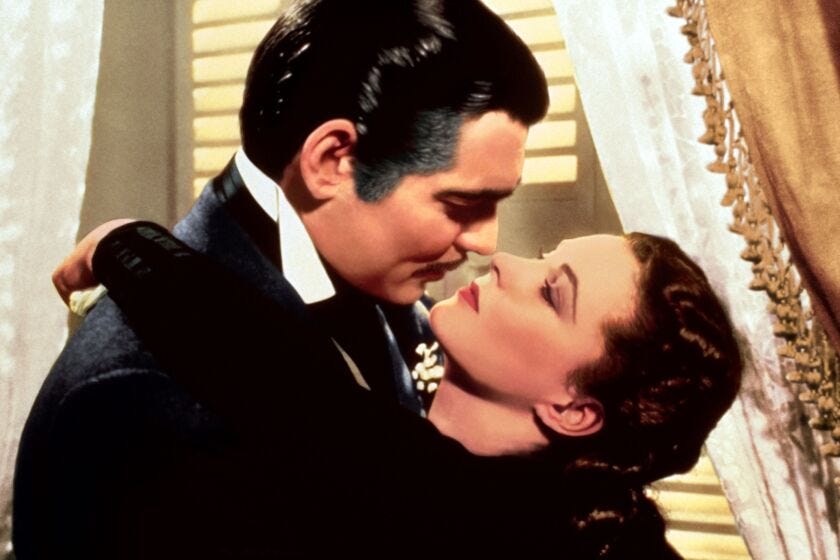
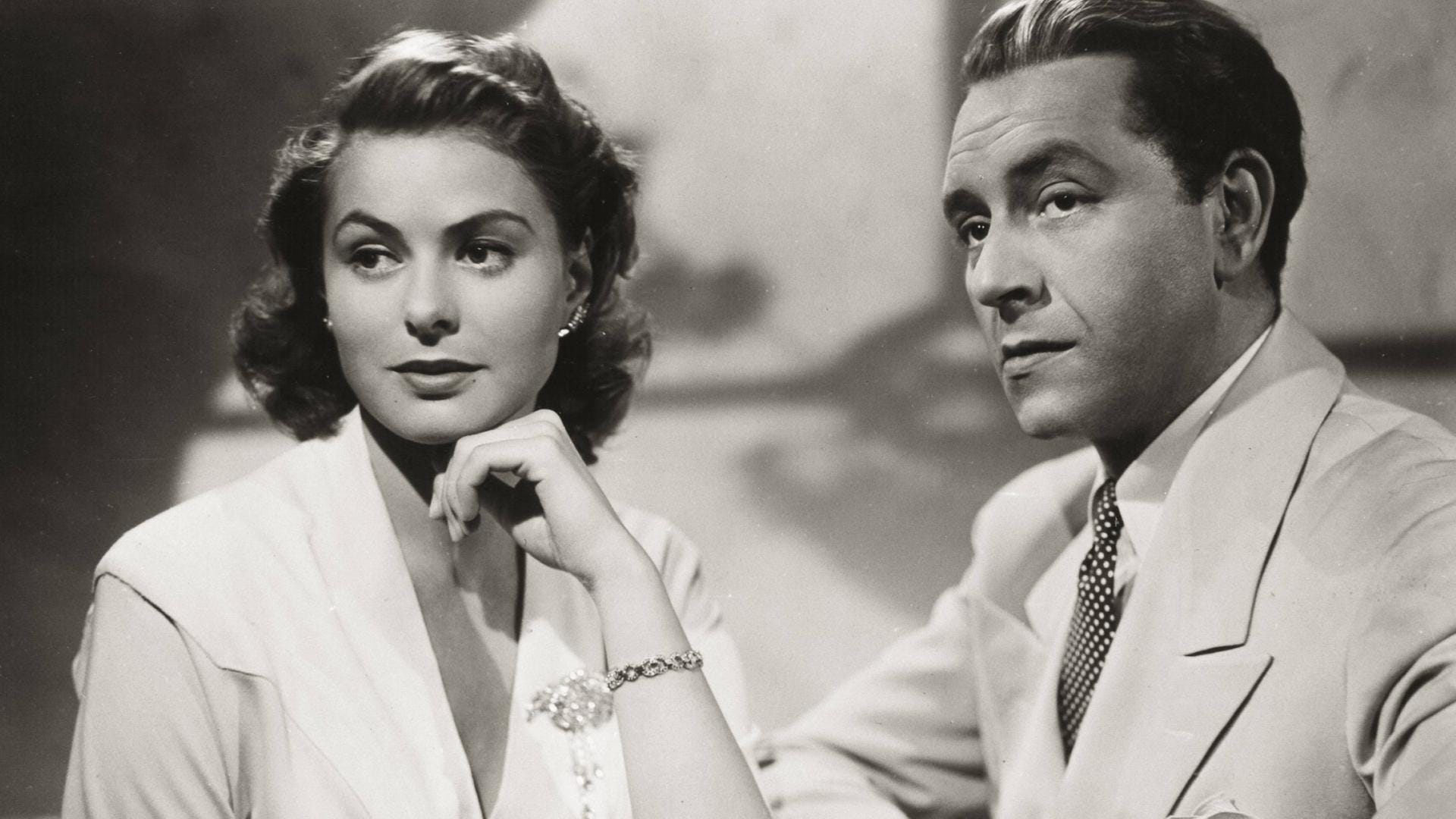
Any pop culture junkie will tell you a hot topic of essential gossip is unfriendly co-stars. How is it actors who don’t get along also somehow manage to bring out the best of their performances anyway? Obviously people will prefer to work with colleagues with good reputations over bad. Yet something about confrontation can create electrifying chemistry on screen. Clark Gable and Vivien Leigh are a famous film pairing who have always been labeled co-stars who didn’t enjoy working together. The legend is Vivien didn’t like kissing Clark because of his bad breath throughout Victor Fleming’s Gone with the Wind (1939). Over the years, more researched and documented retrospectives on the epic production suggest the rumors of the two not getting along might have been exaggerated a bit. But the tidbit does make for good gossip. I recently discovered that while Humphrey Bogart and Ingrid Bergman got along fine co-starring in Michael Curtiz’s Casablanca (1942), neither of them particularly liked working with third lead, Paul Henreid. This was because the latter didn’t even want to be in the classic romantic drama and was talked into it after being promised a billing above the movie title. You would never guess Ingrid considered Paul a diva and Paul considered Bogie ‘a lousy actor’ just from watching the movie on its own.
(Warner Bros)
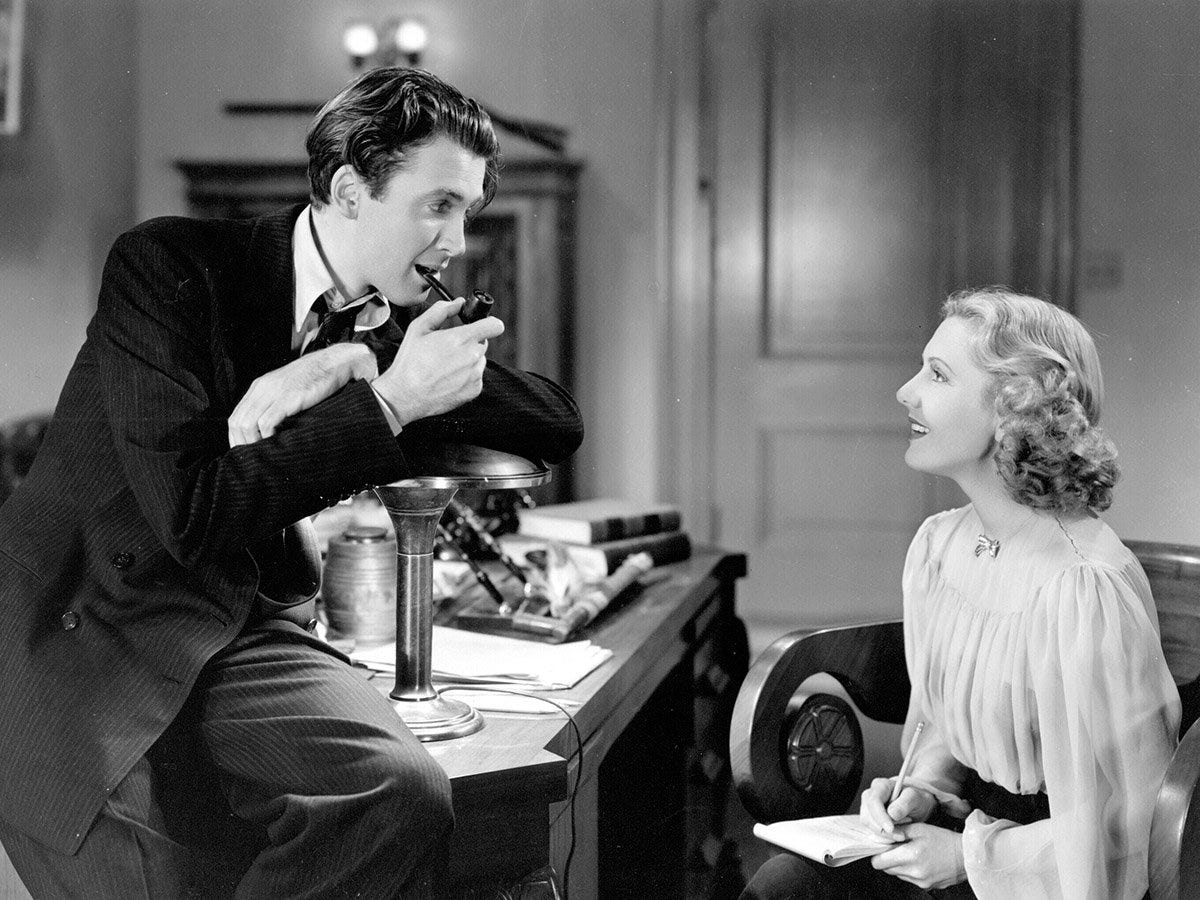
One of my favorite all-time movie couples are Jimmy Stewart and Jean Arthur in You Can’t Take It with You (1938) and Mr. Smith Goes to Washington (1939), both directed by Frank Capra. Though the trio are beloved to longtime film fans and critics, some [like me] might be shocked to learn Jean didn’t seem to care very much for Jimmy. Despite Jimmy’s great rep on sets, Jean was very disappointed to learn she wasn’t going to be reuniting with Gary Cooper on Mr. Smith, which was originally conceptualized as a sequel to Frank’s Mr. Deeds Goes to Town (1936), starring Gary and Jean. Because of this, the blonde didn’t hide her dissatisfaction during filming of Mr. Smith and would openly talk trash about Jimmy in between scenes. It wouldn’t be until her twilight years when Jean would agree with the general consensus that Jimmy gave a stellar performance in the film and deserved his Oscar nomination for Best Actor. Interestingly enough, Jimmy, didn’t have any issues with Jean despite all the drama and only ever spoke highly of his former co-star.
(Columbia Pictures)
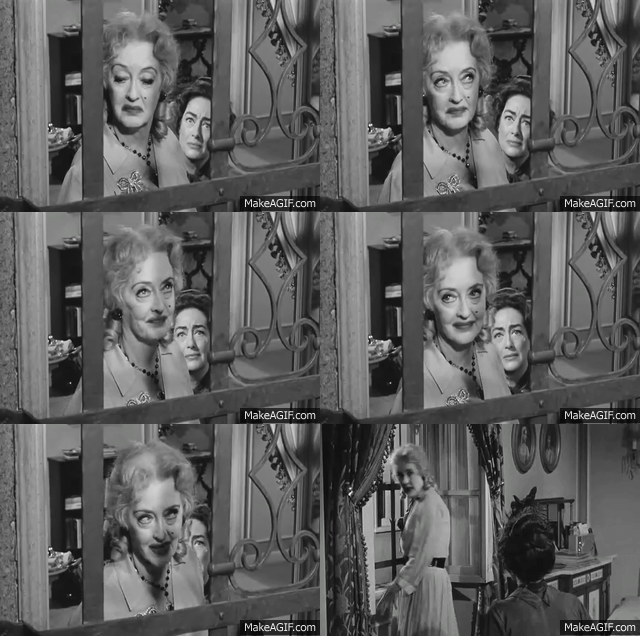
Bette Davis and Joan Crawford are an infamous feud that was ultimately put to good use when they were cast as the stars of Robert Aldrich’s Whatever Happened to Baby Jane? (1962). Appearing as sisters with a dangerous sibling rivalry, the real-life contempt for each other elevated the tension and suspense for the story. The pair already had a history for taking shots at each other in the press after fellow movie star Franchot Tone chose to marry Joan over Bette in 1935. Although the couple would eventually divorce, the actresses’ anger toward each other was refueled once they were acting alongside each other in Baby Jane. The meanest moment might have been when Bette supposedly insisted a Coke machine be installed on the set even though Joan was recently a widow to Alfred Steele, who was president of Pepsi-Cola.
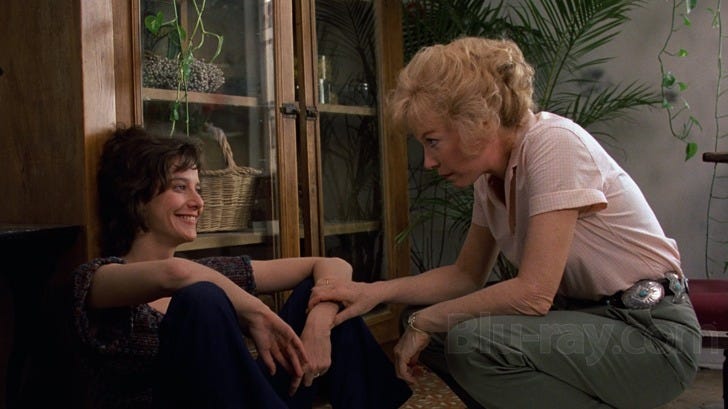
Debra Winger and Shannen Doherty are two actresses with arguably the most notorious on-set reputations from the late 20th century. A lot of the time when an actress is accused of being difficult, it’s later revealed she wouldn’t put up with something demeaning or ridiculous during shooting. But in these two cases, it really does sound like where there’s smoke, there’s fire regarding the tempestuous accusations. Especially since the co-stars they had problems with were both men and women. Debra had tabloid reports of not getting along with Richard Gere during Taylor Hackford’s An Officer and a Gentleman (1982), Shirley MacLaine on James L. Brooks’ Terms of Endearment (1983) and Lynda Carter throughout the second season of CBS’ “Wonder Woman” (1976-77). Shannen’s biggest feuds were between Jennie Garth on the first four seasons of Fox’s “Beverly Hills, 90210” (1990-94) and Alyssa Milano on the first three seasons of The WB’s “Charmed” (1998-2001). But her bad girl rep can be traced all the way back to the 1980s, when she played one of the title characters in Michael Lehmann’s Heathers (1989).
(Paramount Pictures)
More contemporarily on the male end, character actor Tom Hardy seems to have a polarizing history clashing with Shia LaBeouf during the film shoot of John Hillcoat’s Lawless (2012) and later with Charlize Theron while making George Miller’s Mad Max: Fury Road (2015). The Lawless set generally sounded like a bit of hassle with third co-star Mia Wasikowska later revealing she didn’t enjoy working with Shia on the film either. There are plenty of other examples of animosity between co-stars I haven’t even covered too. Patrick Swayze and Jennifer Grey while shooting Emile Ardolino’s Dirty Dancing (1987), Matthew Broderick and Cary Elwes during production of Edward Zwick’s Glory (1989), Bruce Willis and Cybill Shepherd during their run on ABC’s “Moonlighting” (1985-89), Bill Murray and Richard Dreyfuss on Frank Oz’s What About Bob? (1991), just to list a few. Is there a method or strategy to bad vibes not affecting the quality of a film or series? Is it genius direction? Sheer luck? Whoever loses, the audience usually wins.